






Get Marketing Insights First
Subscribe to receive actionable strategies, growth tips, and industry insights delivered straight to your inbox.
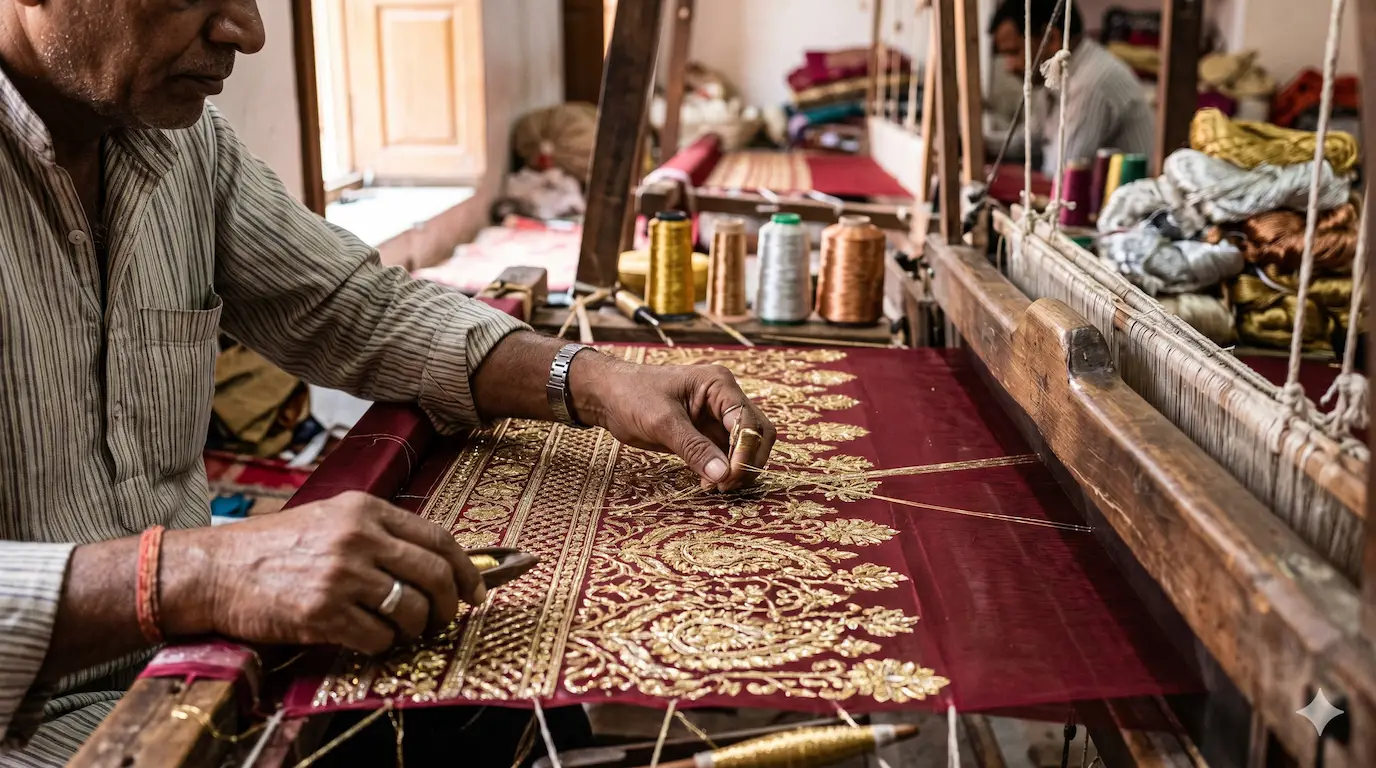
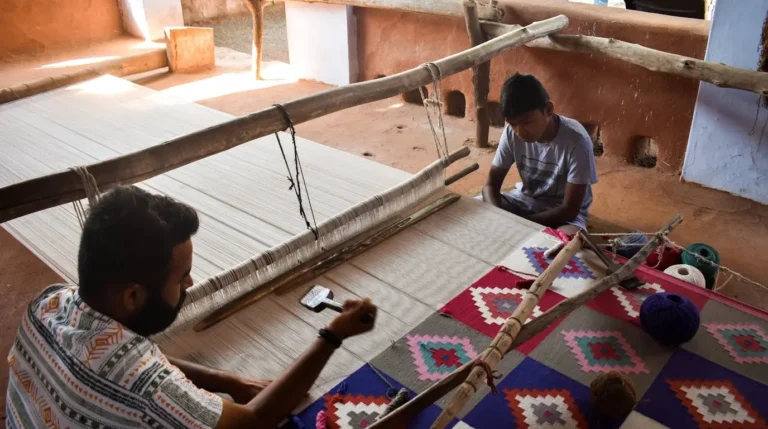
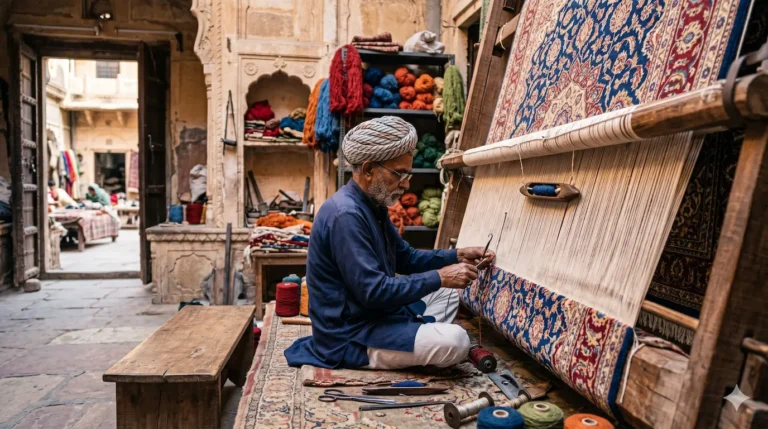
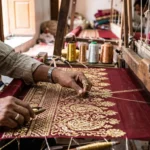
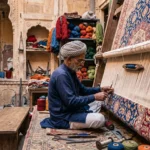
Zari is one of the most beautiful and traditional elements in Indian textiles. It appears as a shiny thread in rich sarees, bridal lehengas, sherwanis, and decorative fabrics. Despite its luxurious appearance, artisans follow a highly detailed process with multiple stages that combine traditional craftsmanship and modern techniques.
This guide explains the complete zari-making process step by step in a simple and easy-to-understand way. It helps beginners and young learners grasp the concept while still offering enough detail for craft enthusiasts and professionals.
Zari is a decorative metallic thread traditionally made using gold or silver. Today, manufacturers also use copper and synthetic materials to make it more affordable.
People mainly use it in:
Zari is not just a thread—it represents heritage, craftsmanship, and luxury.
Understanding the types of zari helps you identify quality and pricing:
Real Zari
Artisans make it from pure silver and coat it with gold. They use it in premium products because it is expensive.
Semi-Real Zari
Manufacturers use copper with silver and gold coating. It offers a balance between quality and cost.
Imitation Zari
Producers create it from copper with a silver coating. Many people choose it because it is affordable.
Plastic Zari
Manufacturers produce it using synthetic metallic yarn. It is the cheapest option and is common in mass production.
Surat is the largest hub of zari production in India and contributes to more than half of the country’s demand.
Other important clusters include:
These regions have skilled artisans and long-standing traditions.
Zari production requires a combination of metals and base materials:
The process involves both manual tools and machines:
The process begins with collecting metals like gold, silver, or copper along with base yarn such as silk or cotton.
Workers clean the raw metal thoroughly to remove impurities. This step ensures a smooth finish.
They heat the metal until it melts, allowing them to reshape it into thin wires.
The melted metal is stretched into thin wires using machines. Rollers are used to flatten these wires.
The wire is coated with gold or silver through an electroplating process. This gives zari its signature shine.
They stretch the coated wire further to make it finer and more flexible.
The thin wire is flattened into very fine strips called badla, which are essential for creating zari.
The flat metallic strip is wrapped around a base yarn (like silk or cotton). This forms the actual zari thread.
An additional coating is applied to improve durability and enhance the finish.
The thread is polished using special solutions to increase its shine and visual appeal.
Workers wind the zari thread onto reels, making it ready for weaving and embroidery.
Zari is not a one-size-fits-all product. It can be customized based on design requirements, budget, and usage:
This flexibility makes zari suitable for both high-end fashion and mass-market products.
Zari plays a crucial role in multiple areas:
Zari is not just decorative – it has cultural and economic significance:
The process of making zari combines science, skill, and tradition. From melting metals to wrapping threads, artisans handle every step with precision and expertise. Understanding this process helps you appreciate the craftsmanship behind every zari-embroidered fabric.
Zari is made from metals like gold, silver, or copper, combined with a base yarn such as silk or cotton.
Real zari uses silver and gold, making it costly compared to imitation or synthetic alternatives.
Badla is a flattened metallic strip that is wrapped around yarn to create zari thread.
Surat is the largest producer of zari in India.
Yes, zari is widely used in both traditional and contemporary fashion designs.
Durability depends on the type. Real zari lasts longer, while imitation and plastic zari may fade over time.
Your feedback helps us improve and create a better experience for you. We’d love to hear your thoughts on what worked well and what we can do better.
Was the information helpful? Did you find what you were looking for? Is there something you’d like us to add or improve?
Take a moment to share your feedback; your input truly makes a difference and helps us grow.
 Free Shipping on Orders 1499 above