










Get Marketing Insights First
Subscribe to receive actionable strategies, growth tips, and industry insights delivered straight to your inbox.
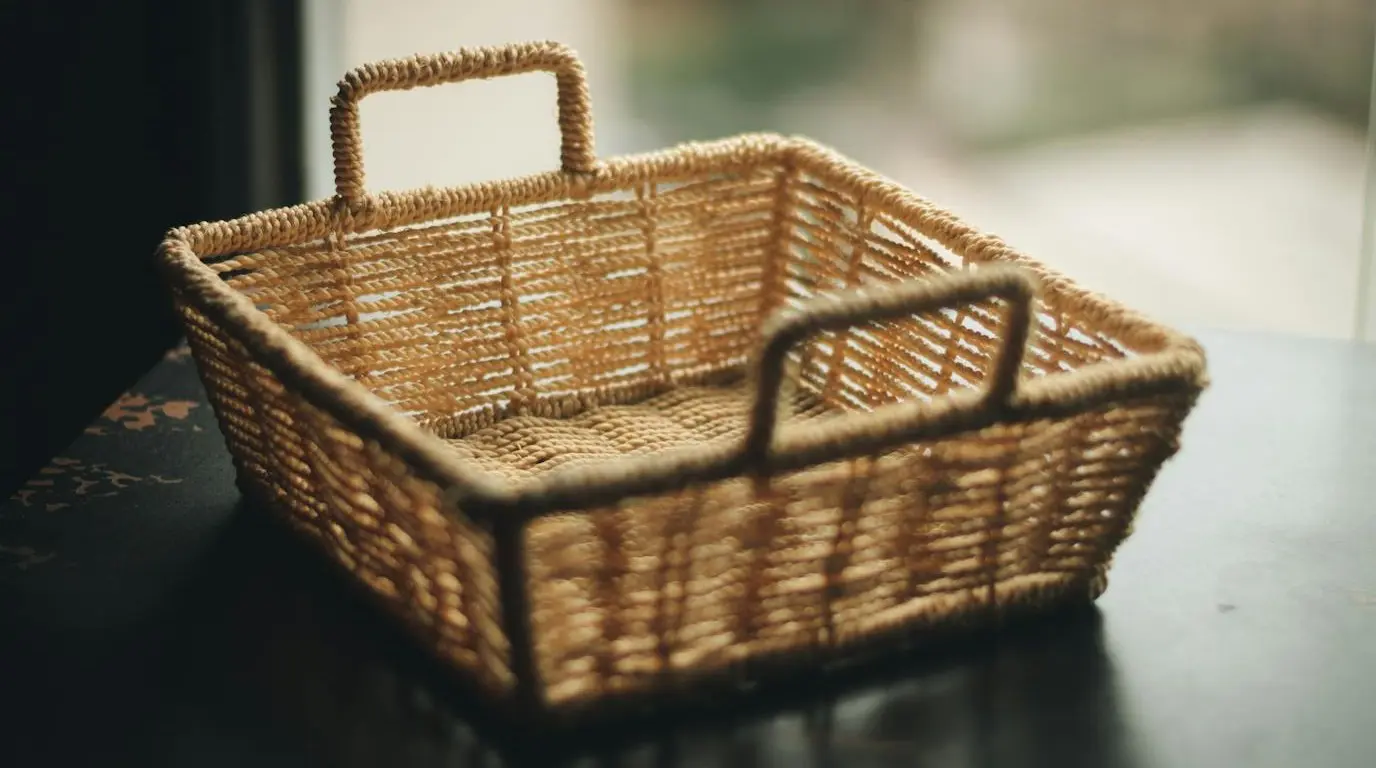
In the vibrant craft culture of Jaipur, handmade products are not just items you use; they are stories shaped by skilled hands. Among these beautiful creations, natural handmade jute baskets hold a special place. They are eco-friendly, strong, and incredibly versatile. You might use them to store fruits, organize your home, or even decorate your living space. But have you ever wondered how artisans turn rough plant fibers into such neat and durable baskets?
This detailed guide will walk you through the complete process of how artisans make a natural handmade jute basket, explained in a way that is simple enough, yet detailed enough to truly appreciate the craftsmanship behind it.
Before we begin making the basket, it’s important to understand the material itself. Jute is a natural fiber that comes from the stem of a plant. It is often called the “golden fiber” because of its shiny, golden-brown color. It is strong, biodegradable, and widely used in traditional crafts across India.
In regions like Jaipur, artisans prefer jute because it is easily available, affordable, and environmentally friendly. Unlike plastic, jute does not harm the planet, which makes these baskets a great sustainable choice.
The journey of making a jute basket begins with preparing the fiber. Raw jute is not immediately ready to use. It comes in long strands that may contain dust and rough particles. Artisans carefully clean these fibers by shaking and separating them.
Once cleaned, the fibers are twisted together to form thicker strands or ropes. This process requires patience and skill. The artisan rolls the fibers between their palms, slowly turning them into strong and even ropes. If the rope is too thin in some places and thick in others, the basket will not look balanced. So, maintaining consistency is very important.
After the rope is prepared, it is soaked in water for a short time. This step may seem small, but it plays a big role. Dry jute is stiff and can break when bent. By soaking it, the fibers become soft and flexible, making it easier to shape.
Think of it like bending a dry twig versus a slightly wet one. The wet twig bends smoothly, while the dry one snaps. Similarly, damp jute allows artisans to work comfortably without damaging the material.
Now comes the foundation of the Jute basket. The artisan takes one end of the jute rope and begins to roll it tightly into a small circular shape. This looks similar to a spiral or a snail shell.
As the rope is coiled, the artisan uses a needle and thread to stitch the layers together. Each round is carefully attached to the previous one. This ensures that the base becomes strong and does not fall apart.
The artisan continues expanding the spiral until the base reaches the desired size. During this stage, it is important to keep the base flat. If it starts to curve upward too early, the basket will not sit properly on a surface.
Once the base is ready, the basket starts to take shape. Instead of continuing outward, the artisan begins stacking the rope upward. This is how the walls of the basket are formed.
The process remains the same; coiling and stitching—but the direction changes. Each new layer is placed on top of the previous one and stitched firmly. The artisan uses their hands to gently press and guide the shape.
This is where creativity comes into play. By adjusting the angle of the rope, different shapes can be created. If the rope is placed straight up, the basket becomes tall and cylindrical. If it is slightly tilted outward, the basket becomes wider like a bowl.
One of the most beautiful aspects of jute baskets from Jaipur is their design. While the natural color of jute is attractive on its own, artisans often add decorative elements to enhance the look.
They may include colored threads, fabric strips, or even dyed jute fibers while stitching. These additions create patterns such as stripes, zigzags, or simple traditional motifs. Each design reflects the artisan’s creativity and cultural influence.
Because everything is done by hand, no two baskets are exactly the same. This uniqueness is what makes handmade crafts so special.
If the basket is meant to be carried, handles are added. There are different ways to do this. Sometimes, the artisan leaves small gaps while building the basket and later reinforces them to form handles. In other cases, separate jute ropes are braided and stitched onto the sides.
Handles must be strong enough to carry weight, so extra stitching is used to secure them. This ensures that the basket is not only beautiful but also practical.
As the basket reaches its final height, the artisan carefully finishes the last coil. The end of the rope is tucked in neatly and stitched tightly. This step locks the entire structure and prevents it from unraveling.
A clean finish is very important because it affects both the appearance and durability of the basket. A well-finished basket can last for years if used properly.
Since the jute was damp during the process, the basket needs time to dry. It is left in a well-ventilated area for several hours. As it dries, the fibers become firm, helping the basket hold its shape.
Some artisans apply a light coating of natural starch or oil to give the basket extra strength and a smooth texture. This also adds a slight shine, making the basket look more polished.
Before the basket is ready for use or sale, it is carefully inspected. The artisan checks if the base is strong, the stitching is tight, and the shape is even. Any loose threads are trimmed, and small adjustments are made if needed.
Even though handmade baskets may have tiny imperfections, these are not flaws. They are signs of human effort and craftsmanship. Each basket carries a personal touch that machines cannot replicate.
Natural jute baskets are not just beautiful—they are also practical and sustainable. They are biodegradable, reusable, and safe for the environment. In today’s world, where plastic waste is a growing problem, choosing jute products is a small but meaningful step toward a greener future.
Additionally, buying handmade baskets supports local artisans and helps preserve traditional crafts. It keeps the heritage of regions like Jaipur alive for future generations.
Learning how to make a natural jute basket is like learning a story told through hands. From raw fiber to a finished product, every step requires patience, skill, and attention to detail. While the process may seem simple at first, it takes practice to master the art.
Whether you are a beginner, a craft enthusiast, or someone looking to understand handmade products better, this journey gives you a deeper appreciation for artisan work. The next time you see a jute basket, you will not just see an object—you will see the effort, tradition, and creativity behind it.
Yes, jute is strong, flexible, and eco-friendly, making it an excellent choice for basket making.
It depends on the size and design, but a simple basket can take a few hours, while detailed ones may take a full day or more.
Yes, beginners can start with small baskets and improve with practice. The basic technique is simple but requires patience.
Yes, if kept dry and used properly, jute baskets can last for many years.
They are generally safe for dry food items like fruits and vegetables, but it’s best to keep them clean and dry.
Did you enjoy this guide on how artisans make natural jute baskets? Was it easy to understand? Your feedback helps us create better and more useful content for you.
Feel free to share your thoughts, questions, or suggestions. If you try making a jute basket yourself, we’d love to hear about your experience too!
 Free Shipping on Orders 1499 above